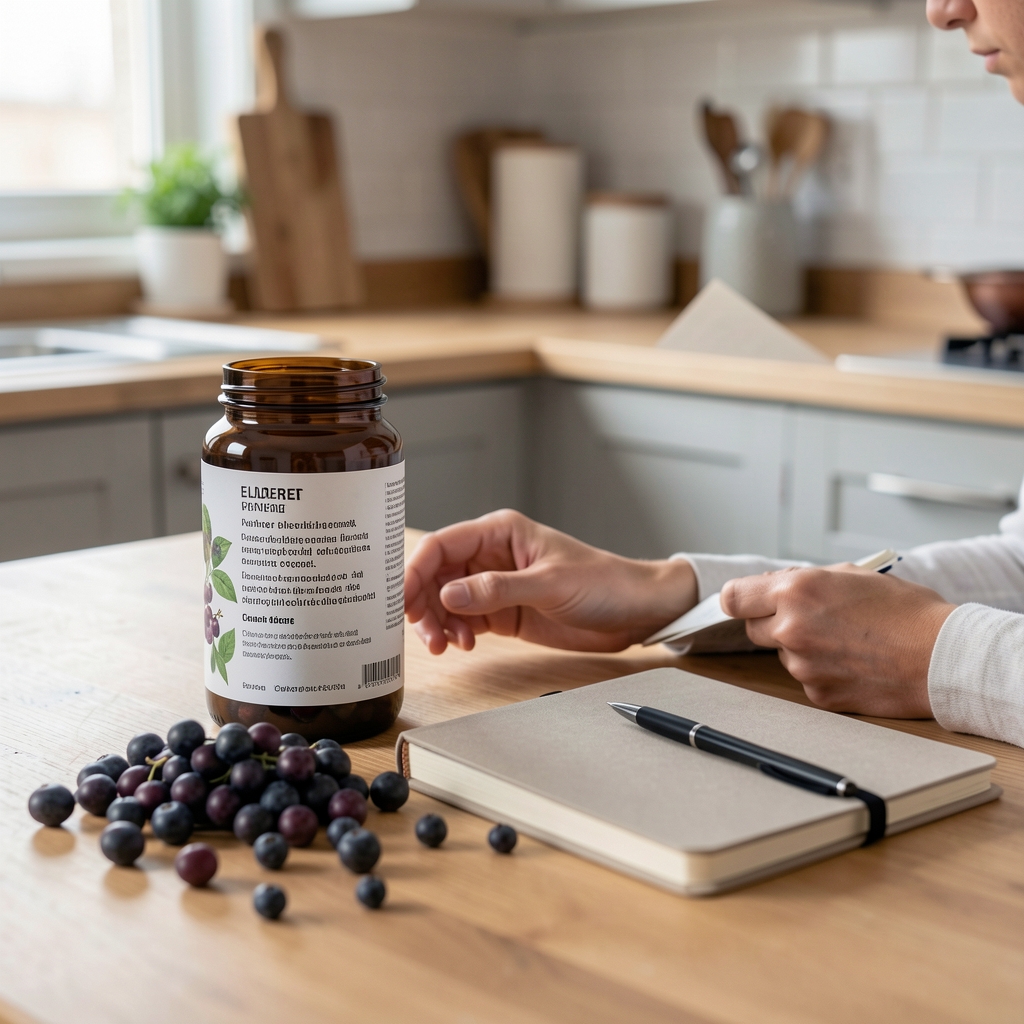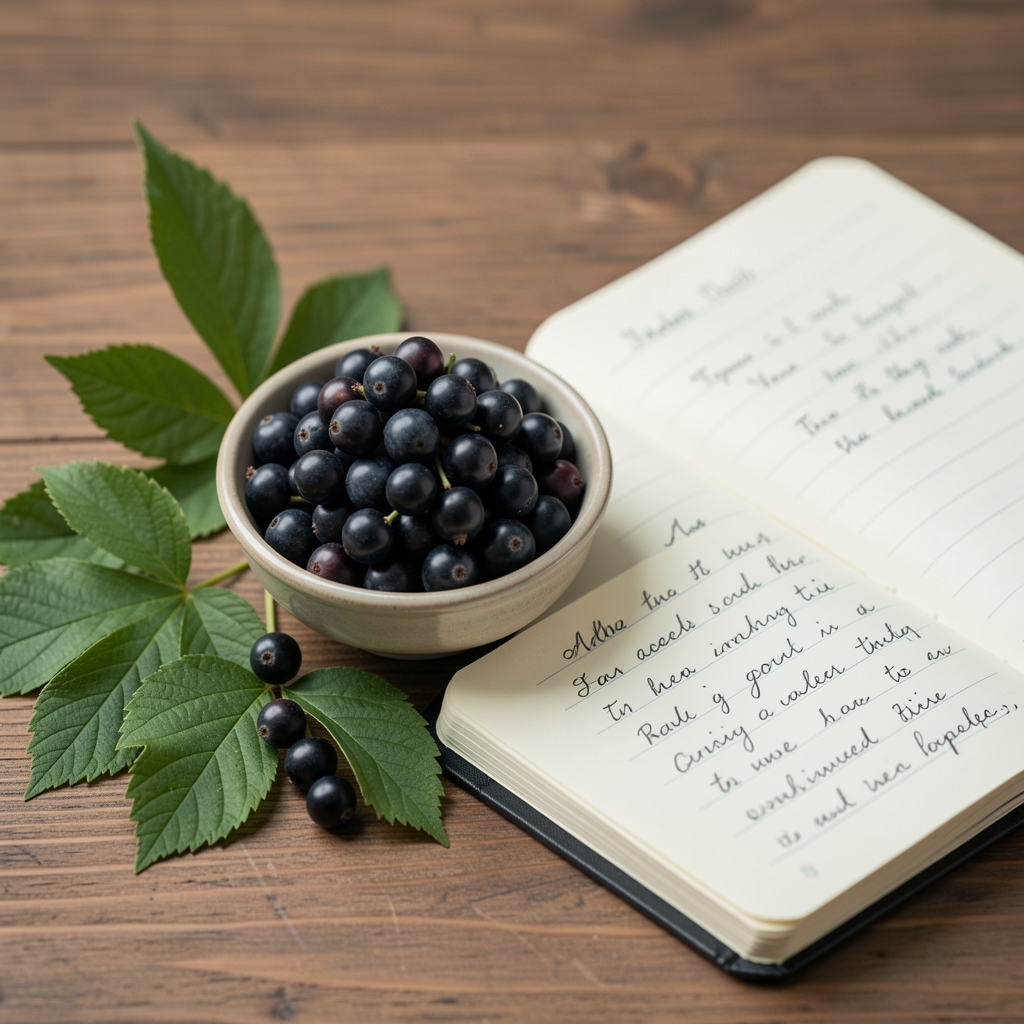
Elderberry has a long history in food and botanical conversations, and modern research has explored several preparations. The phrase immune support can mean different things to different readers, so an editorial overview must keep the evidence and its limits together. Studies indicate that preparation, amount, timing and participant group all matter. Adults over 40 comparing supplements should read labels carefully and speak with a qualified professional about personal circumstances rather than relying on a broad promise.
Botanical context
Plants contain many compounds and their composition can vary by species, harvest and preparation. A traditional use is not the same as a conclusion from a controlled study. Keeping those categories separate makes reading more reliable.
What research measures
Research may examine a laboratory marker, a reported experience or a defined period of use. Each outcome has a different meaning. A measured result should not be expanded beyond the question the study asked.
Reading a label
Readers can note the plant part, preparation, amount and additional ingredients. They can also check storage details and the maker’s information. These steps do not answer every personal question, but they improve the quality of the conversation.
Key takeaways
- Elderberry research covers different preparations.
- Traditional use and research findings are distinct.
- Labels provide important context.
- Personal questions belong with a qualified professional.
This article is for informational purposes only and does not constitute medical advice. Always consult your GP or a qualified healthcare professional before making changes to your diet, supplements, or lifestyle. Drelvon accepts no responsibility for actions taken without professional medical guidance.