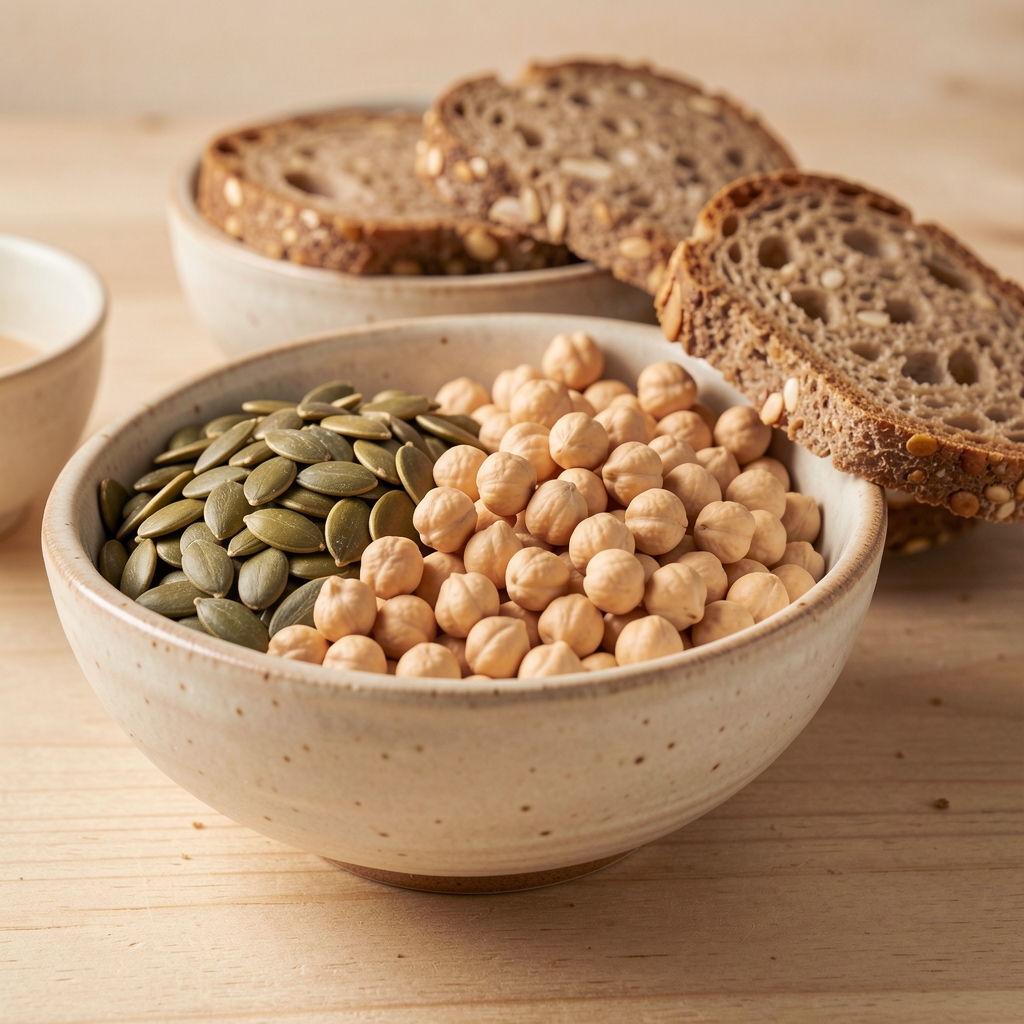
Zinc and immune wellness are frequently paired in online searches, especially among UK adults over 40 comparing food and supplement information. Zinc contributes to the normal function of the immune system. This refers to the individual nutrient, not to any specific product. That approved wording is narrower than many headlines. A careful editorial overview considers sources, dietary variety, label reading and the difference between a nutrient’s role and a promised personal outcome.
Where zinc appears
Foods such as pulses, seeds, wholegrains and some animal foods can contribute zinc. Eating patterns differ for cultural, ethical, financial and practical reasons, so one menu cannot represent every reader.
Absorption and context
The amount present in a food is not the whole story. Food composition and preparation can affect the wider dietary picture. Research questions often require details that short articles cannot supply.
Supplements in conversation
More is not automatically better. Product strength, combined ingredients and personal circumstances matter. A pharmacist or GP can help a reader assess an individual question.
Key takeaways
- Zinc occurs in varied food patterns.
- Approved nutrient wording has a defined scope.
- Labels should be read with context.
- Individual decisions deserve qualified guidance.
This article is for informational purposes only and does not constitute medical advice. Always consult your GP or a qualified healthcare professional before making changes to your diet, supplements, or lifestyle. Drelvon accepts no responsibility for actions taken without professional medical guidance.