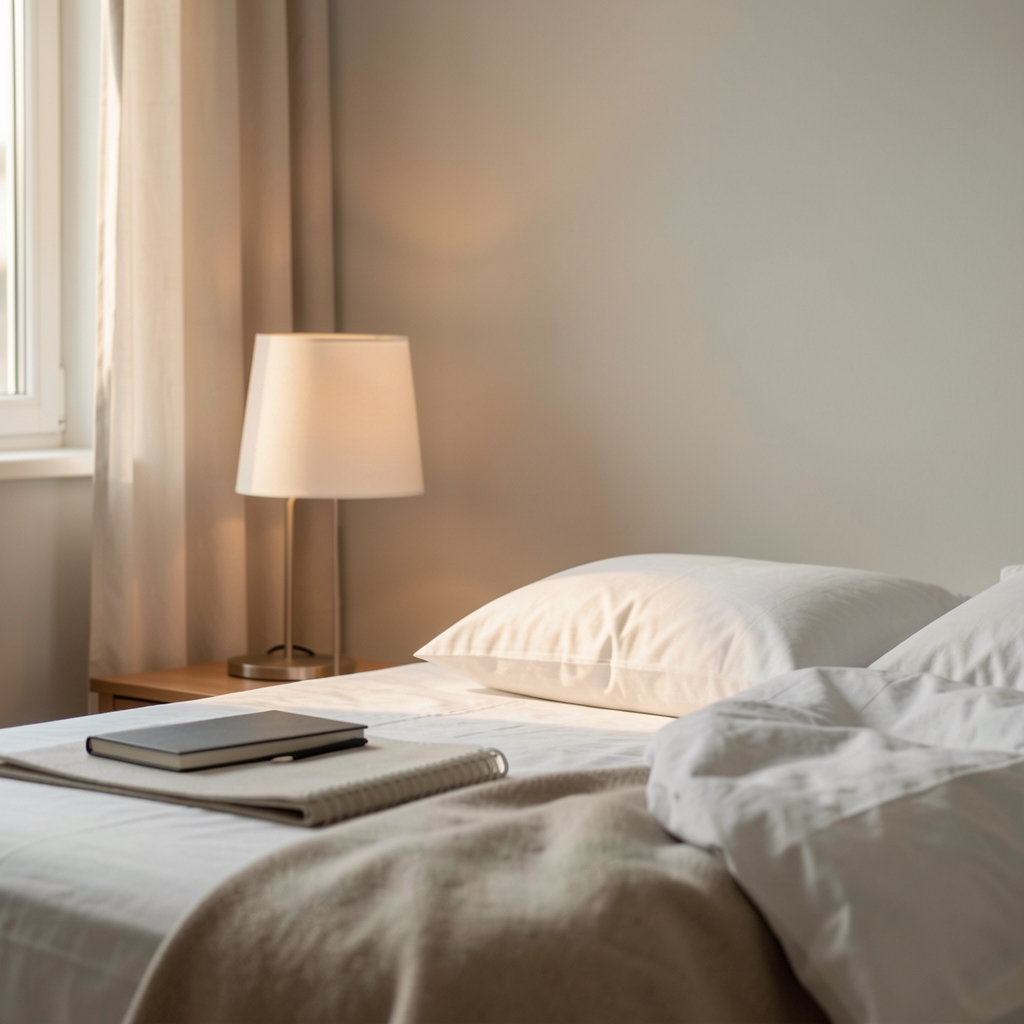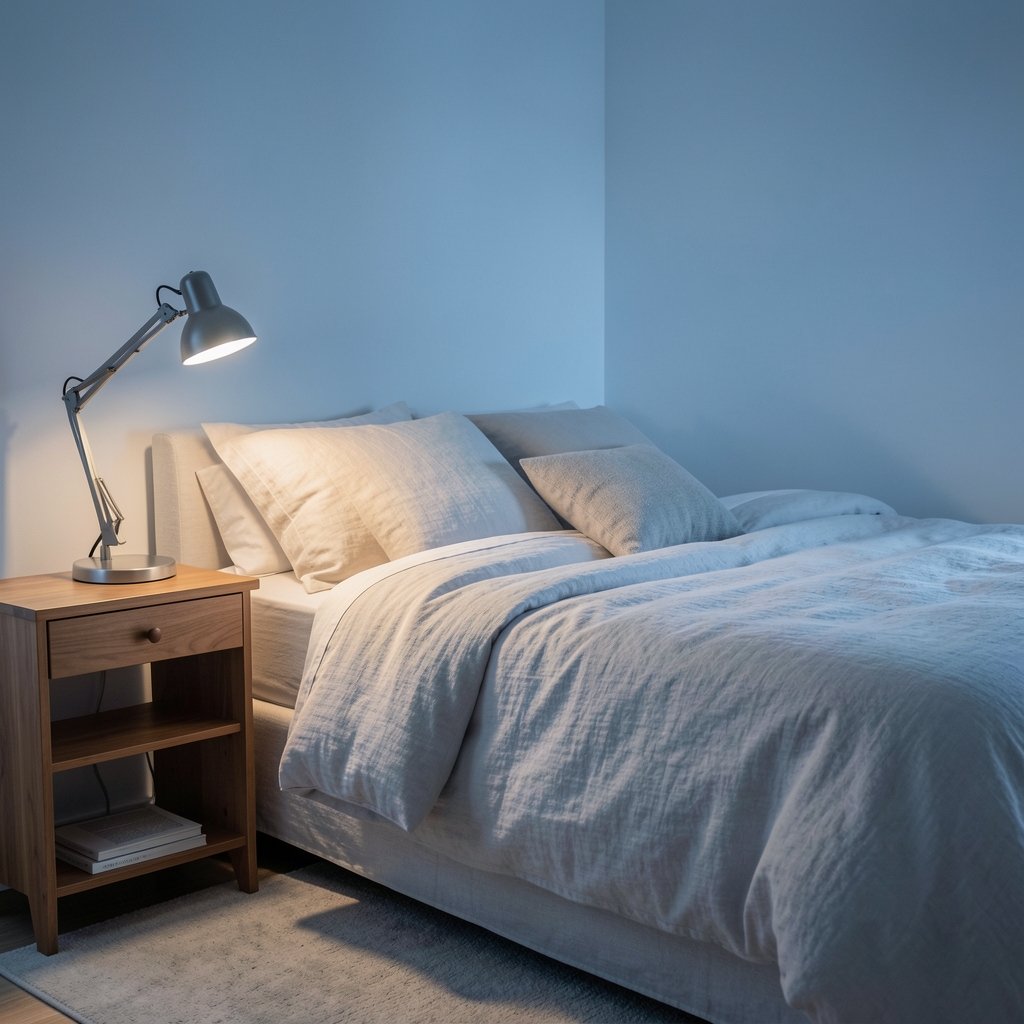
Sleep is easy to describe as a habit and harder to understand as a lived routine. Work patterns, caring responsibilities, light, noise, movement and stress can all influence rest. Research into sleep and immune function examines several pathways, yet a general article cannot determine what any one reader needs. For people exploring health after 40, a measured approach begins with regularity, observation and a willingness to discuss persistent concerns with a qualified healthcare professional.
Why regularity matters
A consistent sleep window can make routines easier to recognise. It does not need to be perfect, and occasional disruption is part of ordinary life. The useful editorial question is whether the overall pattern supports daily functioning.
Evening environment
Light, noise, temperature and late activity may influence how a person settles. Small environmental changes can be considered without turning sleep into a performance test.
Research boundaries
Sleep studies use different measures, including questionnaires, wearable estimates and laboratory observations. These methods do not answer identical questions. Studies indicate that readers should avoid converting one finding into a universal rule.
Key takeaways
- Sleep is shaped by environment and life context.
- Regular patterns can make observation easier.
- Research methods differ substantially.
- Persistent concerns deserve professional discussion.
This article is for informational purposes only and does not constitute medical advice. Always consult your GP or a qualified healthcare professional before making changes to your diet, supplements, or lifestyle. Drelvon accepts no responsibility for actions taken without professional medical guidance.