Ageing is not a single switch. It is a gradual collection of changes across cells, tissues, sleep, nutrition, movement and social life. When people search for immune health UK information, they often encounter confident headlines that flatten this complexity. A more useful starting point is to ask how the immune system changes after 40, which parts of the research are observational, and which everyday factors are worth discussing with a qualified professional. This editorial overview follows that slower path. It considers immune cells, the role of the body’s barriers, dietary patterns and recovery, while keeping the limits of general information visible. The subject matters to UK adults over 40 because life stage can influence routines, but age alone does not define an individual’s experience.
Natural changes across middle age
The immune system includes an organised network rather than one isolated organ. Cells communicate, barriers interact with the environment and the body continually adjusts its response. Research describes age-related shifts in some forms of immune activity, yet the timing and size of those shifts vary widely. Genetics, prior exposure, nutrition, sleep and movement all contribute to the picture.
Why context matters
A study may examine a narrow group under specific conditions. Its results may not translate directly to every adult in Bradford or elsewhere in the UK. Reading the methods, population and outcome helps prevent an attractive headline from becoming an oversized conclusion.
Food patterns and routine
A varied diet supplies energy and nutrients that participate in normal body functions. Colourful vegetables, fruit, pulses, wholegrains and suitable protein sources can sit within many different eating traditions. The most useful pattern is usually the one that is affordable, enjoyable and sustainable over time.
Movement and recovery
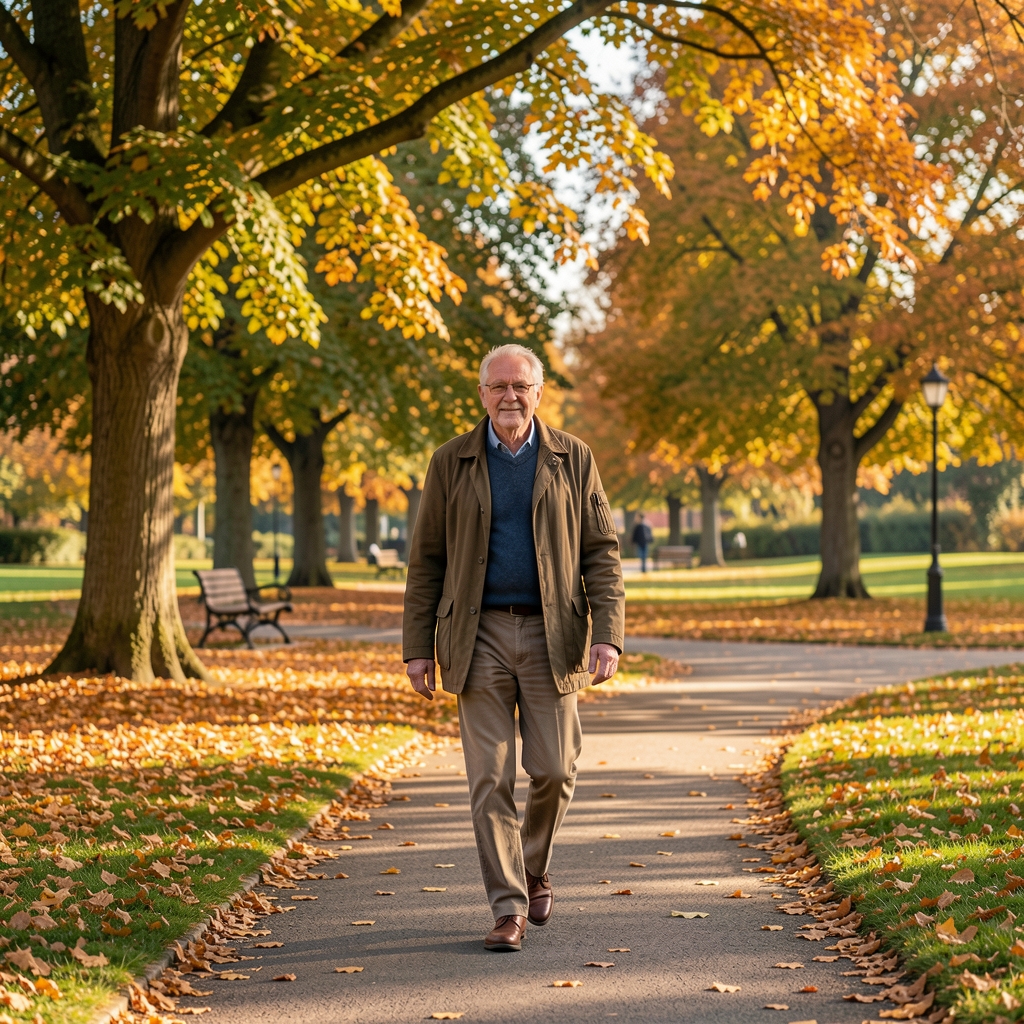
Regular movement and consistent rest belong in a broad view of over 40 wellness. Neither needs to be framed as a performance challenge. Walking, strength work suited to ability and a predictable sleep window may support a balanced routine, while personal circumstances deserve respect.
Questions for further reading
- What population did the study examine?
- Was the result an association or a tested intervention?
- What other explanations could fit the finding?
- What would a GP or qualified professional add to the discussion?
This article is for informational purposes only and does not constitute medical advice. Always consult your GP or a qualified healthcare professional before making changes to your diet, supplements, or lifestyle. Drelvon accepts no responsibility for actions taken without professional medical guidance.
Related articles
The Role of Sleep in Immune Function After 40 · Vitamin C and Immune Function in Adults